Essential Emergency Preparedness Tips for Every Home
In an unpredictable world, being prepared for emergencies is not just a good idea; it’s essential. Whether it's a natural disaster, a medical emergency, or a sudden power outage, having a plan can make all the difference. This blog post will guide you through essential emergency preparedness tips that every household should consider.
Understanding the Importance of Emergency Preparedness
Emergency preparedness is about more than just having supplies on hand. It involves creating a comprehensive plan that addresses various scenarios. Here are a few reasons why being prepared is crucial:
Safety: The primary goal of emergency preparedness is to ensure the safety of you and your loved ones.
Peace of Mind: Knowing you have a plan can reduce anxiety during emergencies.
Quick Response: A well-thought-out plan allows for a quicker response, which can save lives and property.
Assessing Your Risks
Before you can prepare effectively, you need to understand the specific risks your home faces. Here are some common risks to consider:
Natural Disasters: Depending on your location, you may be at risk for earthquakes, floods, hurricanes, or wildfires.
Medical Emergencies: Consider the health needs of your family members, including any chronic conditions that may require immediate attention.
Home Invasions: Security is also a part of emergency preparedness. Assess your home’s vulnerability to break-ins.
Conducting a Risk Assessment
To conduct a risk assessment, follow these steps:
Identify Potential Hazards: Make a list of all possible hazards in your area.
Evaluate Vulnerabilities: Consider how these hazards could impact your home and family.
Prioritize Risks: Rank the risks based on their likelihood and potential impact.
Creating an Emergency Plan
Once you understand your risks, it’s time to create an emergency plan. This plan should cover various scenarios and include the following components:
Communication Plan
Contact Information: Ensure all family members have a list of important contacts, including local emergency services.
Meeting Points: Designate safe meeting points both near and far from your home in case you need to evacuate.
Evacuation Plan
Routes: Identify multiple evacuation routes from your home and practice them with your family.
Transportation: Ensure you have a reliable vehicle and fuel in case of an emergency.
Emergency Contacts
Local Authorities: Keep a list of local emergency numbers, including police, fire, and medical services.
Family and Friends: Have a list of contacts outside your immediate area who can be reached in case of an emergency.
Assembling an Emergency Kit
An emergency kit is a crucial part of your preparedness plan. Here’s what to include:
Basic Supplies
Water: Store at least one gallon of water per person per day for at least three days.
Food: Keep a three-day supply of non-perishable food items, such as canned goods and energy bars.
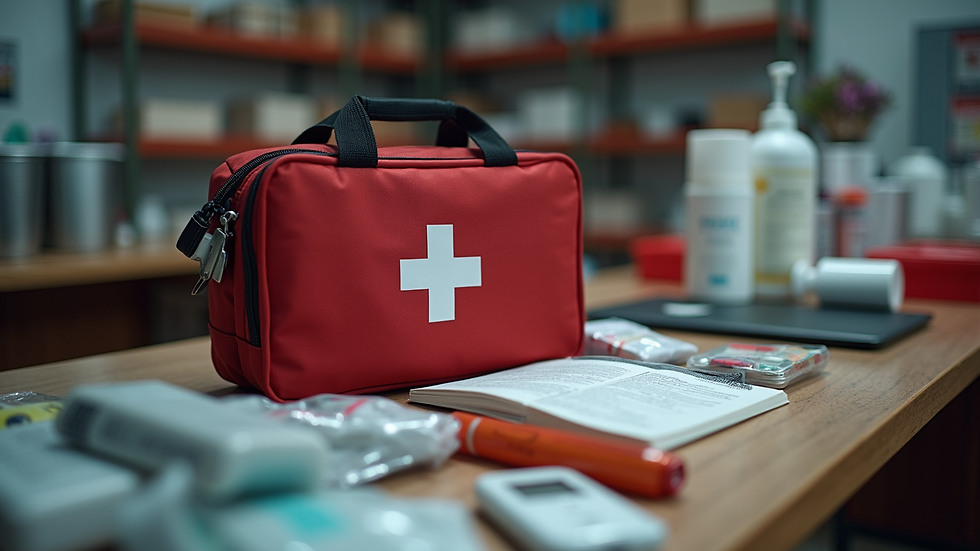
First Aid Kit: Include bandages, antiseptics, and any necessary medications.
Additional Items
Flashlight and Batteries: Power outages can occur during emergencies, so have a reliable flashlight and extra batteries.
Multi-tool: A multi-tool can be invaluable for various tasks during an emergency.
Whistle: This can be used to signal for help if needed.
Preparing for Specific Emergencies
Different emergencies require different preparations. Here are some tips for specific scenarios:
Natural Disasters
Earthquakes: Secure heavy furniture and appliances to walls. Practice “Drop, Cover, and Hold On” drills.
Floods: Know your evacuation routes and keep important documents in a waterproof container.
Hurricanes: Have a plan for boarding up windows and securing outdoor items.
Medical Emergencies
CPR Training: Consider taking a CPR and first aid course to be prepared for medical emergencies.
Medication Management: Keep a list of all medications and dosages for family members.
Power Outages
Backup Power: Consider investing in a generator for prolonged outages.
Alternative Cooking Methods: Have a camping stove or grill available for cooking without electricity.
Training and Drills
Having a plan is only part of the equation. Regular training and drills ensure that everyone knows what to do in an emergency. Here’s how to implement effective training:
Family Drills
Schedule Regular Drills: Practice your evacuation plan and communication procedures at least twice a year.
Role Assignments: Assign specific roles to family members, such as gathering supplies or checking on pets.
Community Involvement
Join Local Preparedness Groups: Many communities have groups focused on emergency preparedness. Joining can provide valuable resources and support.
Attend Workshops: Look for local workshops on emergency preparedness and first aid.
Staying Informed
In an emergency, information is key. Here’s how to stay informed:
Reliable Sources
Local News: Follow local news outlets for updates during emergencies.
Emergency Alerts: Sign up for local emergency alerts to receive real-time information.
Social Media
Follow Official Accounts: Many emergency services have social media accounts that provide updates and safety tips.
Reviewing and Updating Your Plan
Emergency preparedness is not a one-time task. Regularly review and update your plan to ensure it remains effective. Here’s how:
Schedule Reviews
Annual Review: Set a date each year to review your emergency plan and kit.
After an Emergency: After any emergency, assess what worked and what didn’t, and adjust your plan accordingly.
Keep Supplies Fresh
Check Expiration Dates: Regularly check the expiration dates on food and medications in your emergency kit.
Restock Supplies: Replace any items that have been used or are nearing expiration.
Conclusion
Being prepared for emergencies is a responsibility that every household should take seriously. By assessing your risks, creating a comprehensive plan, assembling an emergency kit, and regularly training your family, you can ensure that you are ready for whatever comes your way. Remember, preparation is not just about having supplies; it’s about having a plan and the confidence to act when it matters most. Take the first step today and start preparing your home for emergencies.

Comments