Pet Preparedness: What Every Pet Owner Should Know
When disaster strikes, the safety of our pets often becomes a top priority. Whether it's a natural disaster, a sudden illness, or an unexpected emergency, being prepared can make all the difference. As a pet owner, you have a responsibility to ensure your furry friends are safe and secure. This guide will walk you through essential steps for pet preparedness, providing practical tips and insights to help you navigate any situation that may arise.

Understanding the Importance of Pet Preparedness
Pet preparedness is not just about having a plan; it’s about understanding the unique needs of your pets in various situations. Pets rely on us for their safety and well-being, and being proactive can prevent panic and confusion during emergencies. Here are a few reasons why pet preparedness is crucial:
Safety: Emergencies can happen at any time. Having a plan ensures your pet's safety and minimizes stress.
Health: In case of natural disasters or evacuations, access to veterinary care may be limited. Being prepared can help you manage your pet's health needs.
Peace of Mind: Knowing you have a plan in place can alleviate anxiety for both you and your pets.
Creating an Emergency Plan
Assess Your Pet's Needs
Every pet is unique, and their needs may vary based on their species, size, age, and health conditions. Consider the following:
Type of Pet: Dogs, cats, birds, and reptiles all have different requirements.
Health Conditions: If your pet has specific health issues, ensure you have necessary medications and supplies.
Behavior: Some pets may react differently in stressful situations. Understanding your pet's behavior can help you prepare accordingly.
Develop a Communication Plan
In the event of an emergency, communication is key. Here’s how to establish a solid communication plan:
Emergency Contacts: Keep a list of emergency contacts, including your veterinarian, local animal shelters, and pet-friendly hotels.
Microchip Your Pet: Ensure your pet is microchipped and that your contact information is up to date. This increases the chances of being reunited if you become separated.
Social Media: Consider using social media to share information about your pet in case of an emergency.
Create a Pet Emergency Kit
An emergency kit is essential for any pet owner. Here’s what to include:
Food and Water: Pack at least a three-day supply of food and water for your pet.
Medications: Include any necessary medications and a copy of your pet's medical records.
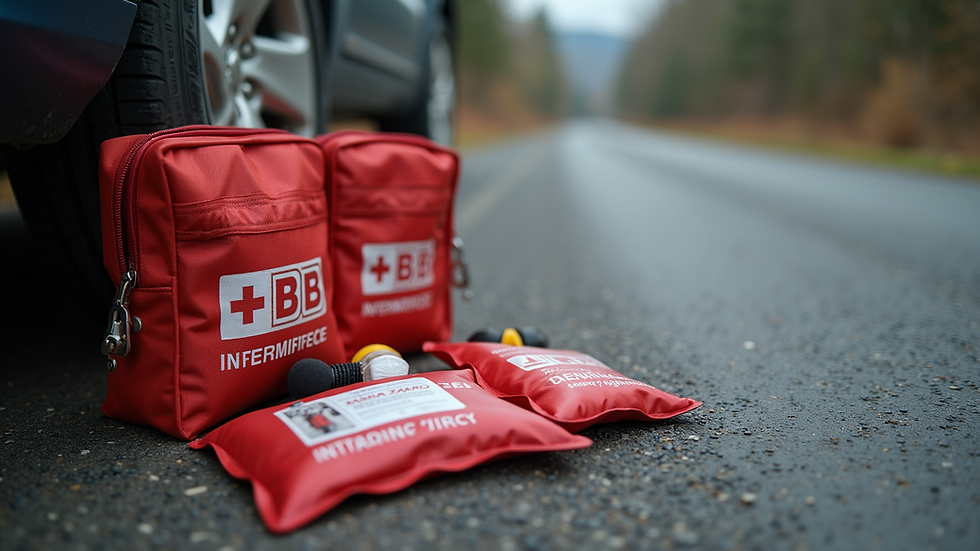
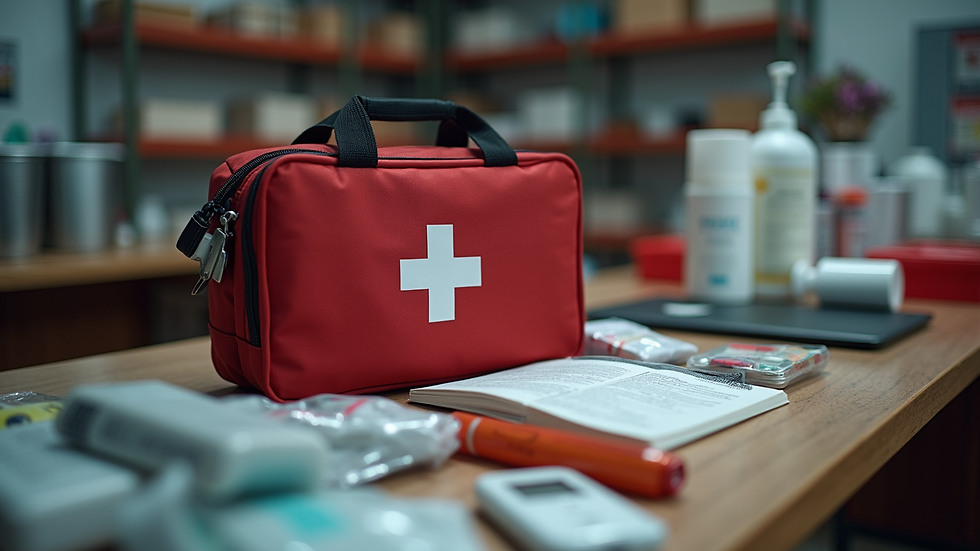
First Aid Supplies: A basic first aid kit should include bandages, antiseptic wipes, and any specific items your pet may need.
Comfort Items: Bring along your pet’s favorite toys or blankets to help reduce stress.
Preparing for Specific Emergencies
Natural Disasters
Natural disasters can strike without warning. Here’s how to prepare:
Know Your Evacuation Routes: Familiarize yourself with local evacuation routes and pet-friendly shelters.
Stay Informed: Sign up for local alerts and warnings to stay updated on potential threats.
Practice Drills: Conduct practice drills with your pets to help them get accustomed to the process.
Illness or Injury
In the event of a sudden illness or injury, being prepared can save your pet's life:
Know Basic First Aid: Familiarize yourself with basic pet first aid techniques, such as how to perform CPR or treat minor wounds.
Emergency Vet Information: Keep a list of emergency veterinary clinics in your area.
Travel Emergencies
Traveling with pets can present unique challenges. Here’s how to prepare:
Secure Transportation: Use a pet seatbelt or carrier to keep your pet safe during travel.
Frequent Breaks: Plan for regular breaks during long trips to allow your pet to stretch and relieve themselves.
Training Your Pet for Emergencies
Training your pet can significantly improve their response during emergencies. Here are some tips:
Basic Commands: Teach your pet basic commands like "come," "stay," and "leave it." This can help you manage their behavior in stressful situations.
Desensitization: Gradually expose your pet to various sounds and environments to reduce anxiety during emergencies.
Socialization: Ensure your pet is comfortable around other animals and people, which can help them remain calm in chaotic situations.
Resources for Pet Owners
Local Organizations
Many local organizations offer resources for pet owners in emergencies. Here are a few to consider:
Animal Shelters: Local shelters often provide information on pet-friendly accommodations during disasters.
Veterinary Clinics: Many clinics offer emergency services and can provide guidance on preparing for emergencies.
Online Resources
The internet is a valuable tool for pet preparedness. Here are some websites to explore:
American Kennel Club (AKC): Offers resources on pet safety and emergency preparedness.
ASPCA: Provides information on disaster preparedness for pets, including checklists and tips.
Conclusion
Being a responsible pet owner means being prepared for the unexpected. By creating an emergency plan, assembling a pet emergency kit, and training your pet, you can ensure their safety and well-being during any crisis. Remember, the key to pet preparedness is proactive planning and understanding your pet's unique needs. Take the time to prepare today, and you’ll have peace of mind knowing your furry friends are safe and secure, no matter what happens.
Now is the time to act. Review your emergency plan, update your pet’s supplies, and ensure you’re ready for anything that comes your way. Your pets depend on you, and being prepared is the best way to show them you care.
Comments